The persistence of vision: Cinema of Salvador Dalí
AN ANDALUSIAN DOG 1929

Luis Bunuel, a young artist lured to Paris, intoxicated by its freedom during the decade of the Lost Generation found Salvador Dali, a fellow Spaniard, and companion to his oneiric ventures. Bunuel remembers, him and Dali, throwing shocking images or scenes after one another which would finally become the screenplay for his film : Un Chien Andalou. Dali and Bunuel had to open all doors to the irrational and keep only those images that surprised them, without trying to explain why. The image of the moon followed by the image of a man with a razor slicing a woman's eye remains the most venerable scene in history, and anyone with even trivial interest in cinema sees it sooner or later, usually several times.
Impression of Upper Mongolia 1976
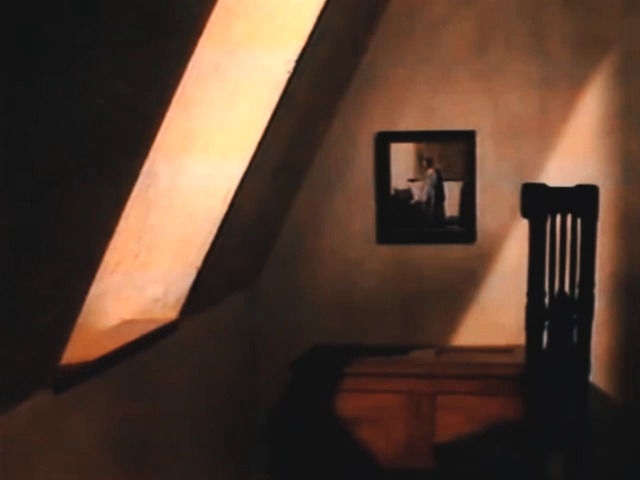
One of the films completed by Dalí was the Impressions de la Haute Mongolie (1976), where he narrated a story about an expedition in search of hallucinogenic mushroom found in upper Mongolia. He made the film with José Montes Baquer as an hommage to Raymond Roussel, partly in response to a brief meeting with the author and forefather of the surrealists. The imageries used in this part-documentary film, is as surreal as the deepest corner of Dali's consciousness. From his analysis of Vermeer to the final revelation about imageries, the movie is food for thought to the surreal minds.
Destino 2000

This 6 min long film begins with “In 1946 two legendary artists began collaboration on a short film. More than half a century later their creation has finally been completed.”The two great artists mentioned were Salvador Dali and Walt Disney. They started working on this short animated film which was completed by Disney and premiered in New York Film Festival in 2003. It depicts a tale of Chronus, the mythical personification of time and Daliah, a mortal woman through the surrealist landscapes of Dalí's paintings.
Age of Gold 1930

Luis Bunuel and Salvador Dali collaborated again in 1930 for L'Age d'Or. The film is a collection of sequences that comment on a wide spectrum including insanities of modern life, the Roman Catholic Church, and the sexual values of bourgeois society. At the final sequence, the intertitle reads 120 Days of Depraved Acts. It is an allusion to the novel 120 Days of Sodom by Marquis de Sade. Wry humor and shocking imagery of the film provokes the conservative eyes and proves that art (and life) need not follow obediently within narrow restrictions that have been decreed since time immemorial. Within three weeks of its release, riots broke out in Paris, was denounced by Mussolini’s ambassador, earned its zealots a threat of ex-communication, and was banned by the French government.
Comments